Whole-Person Care for the Whole Community
As geographic and socioeconomic factors limit who has access to quality care, we at Burrell College of Health Sciences School of Osteopathic Medicine (BCSOM) know it’s not enough to graduate skilled physicians. Our Community Based Learning philosophy builds compassionate, culturally responsive practitioners who are prepared to bridge lingering gaps and create a healthier future for all.
For BCSOM student physicians, making a difference grows from the vital work you’ll do here to shape your entry into the medical field. Discover how you’ll address critical healthcare shortages close to home and across the country.
- Accredited by the Higher Learning Commission and the American Osteopathic Association's Commission on Osteopathic College Accreditation
Our Doctor of Osteopathic Medicine Degree Program at a Glance
Our Doctor of Osteopathic Medicine (DO) degree program combines scientific rigor with human connection.
Training in New Mexico or Florida, DO students support the health needs of rural, border and other underserved populations through hands-on care, connecting biomedical science to real-world results through clinical rotations and community outreach. Discover how holistic, preventive care distinguishes DO practitioners.
99%
Cumulative Graduate Medical Education (GME) Placement
43K+
Student Volunteer Hours (2022-2026)
1050+
Physician Preceptors
1/3
of Graduates Completing Residencies in the Mission Region
DO Curriculum & Structure
Delivered by nationally recognized faculty, the DO curriculum cultivates excellence in patient- and community-centered primary care, preparing you to support the health needs of underserved populations.
DO students deepen their understanding of basic science through a systems-based curriculum incorporating active learning before they transition to clinical rotations for the last two years.
Pre-Clinical Education (Years 1 & 2)
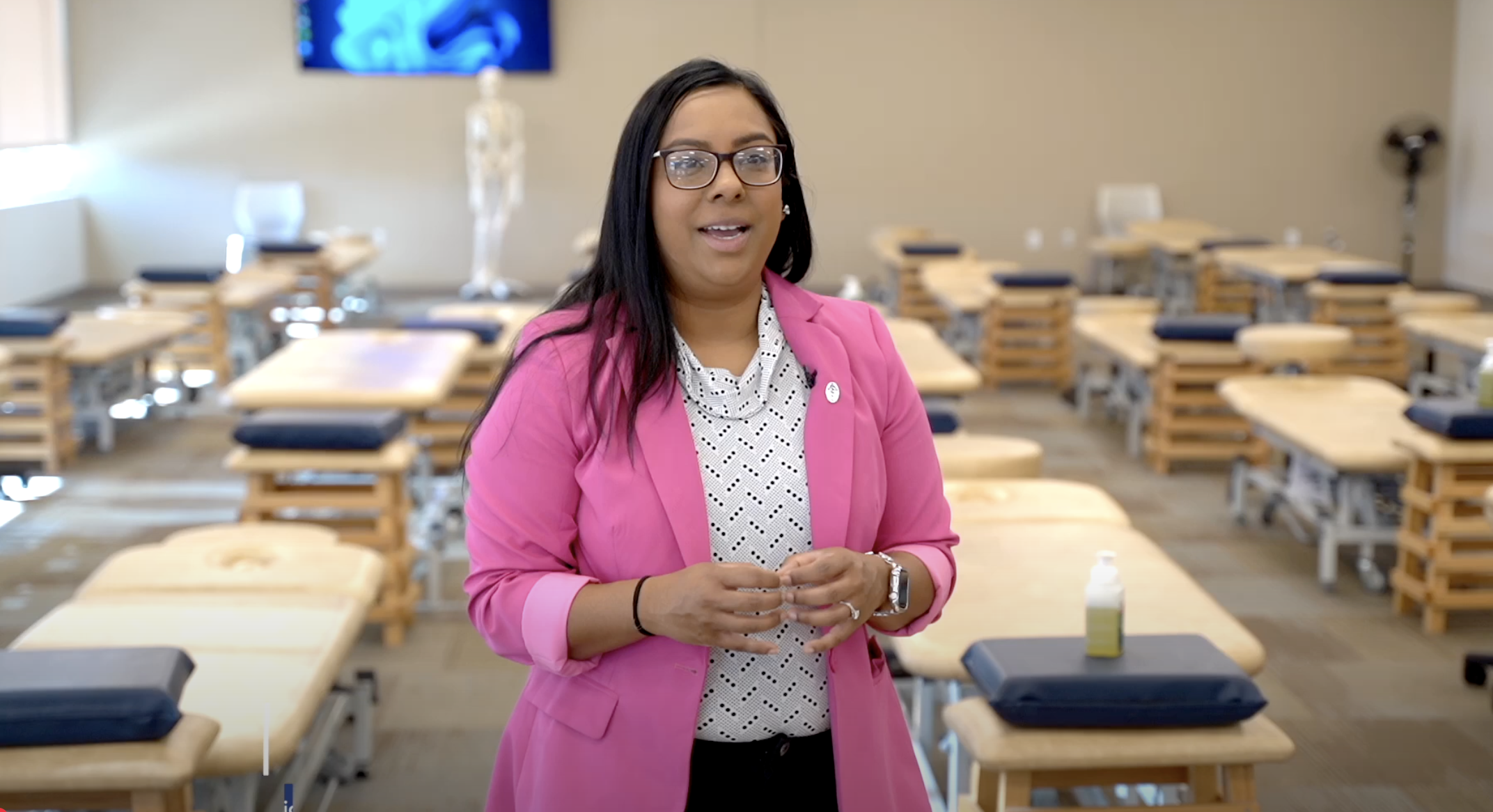
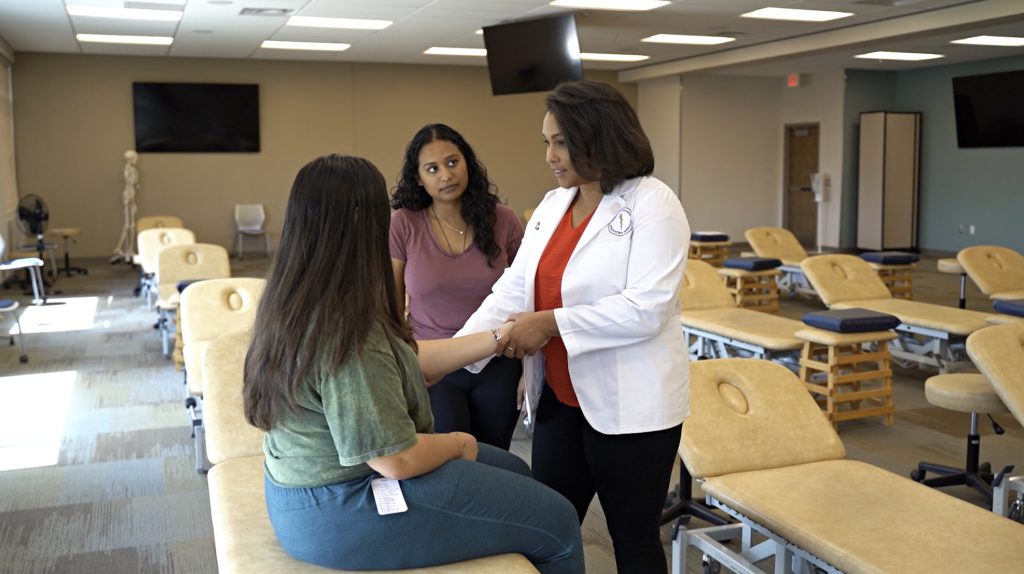
BCSOM integrates foundational biomedical and clinical knowledge while instilling the principles and philosophies of whole-person, community-first practice. Students complete two years of pre-clinical education, which includes dissection-based anatomy, physical diagnosis, clinical skills practice, osteopathic manipulative medicine and Community Based Learning, often delivered through case- and team-based assignments and laboratory skills practice.
Clinical Education (Years 3 & 4)
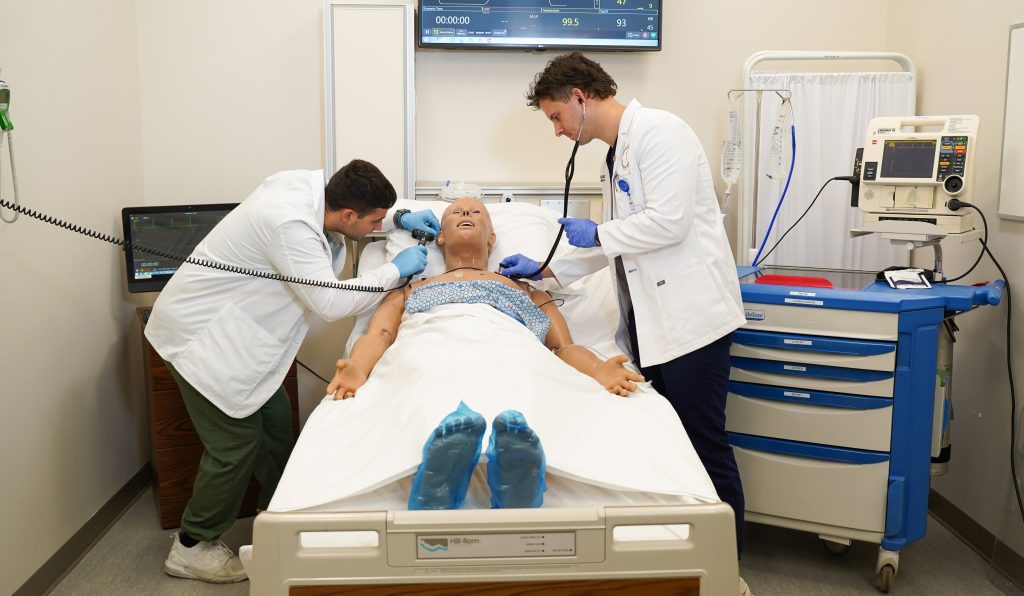
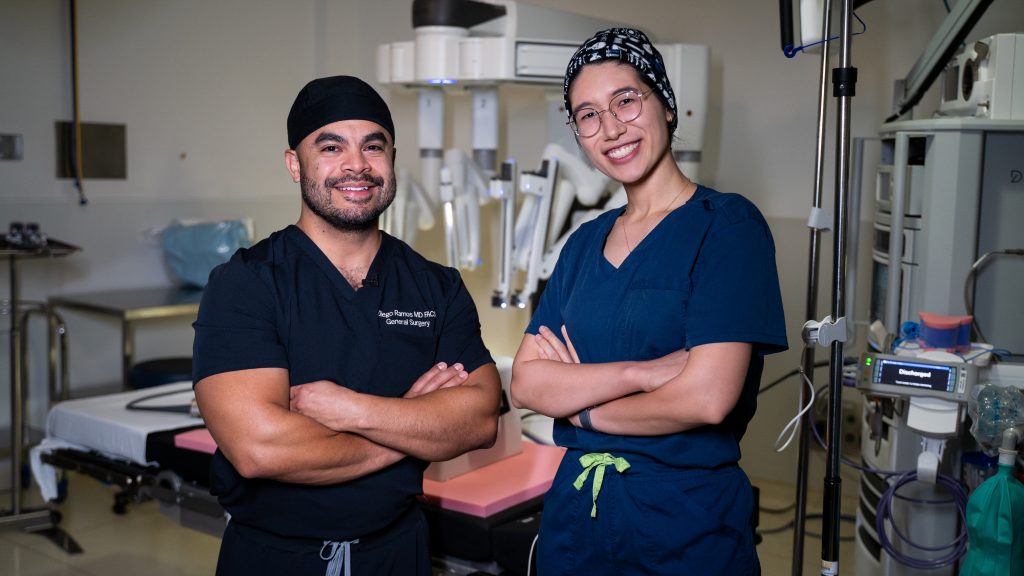
From our labs into the field, you’ll engage in broad-based clinical training across core disciplines, including:
- Family Medicine
- Internal Medicine
- Surgery
- Pediatrics
- Obstetrics and Gynecology
- Psychiatry
- Osteopathic Manipulative Medicine (OMM)
Our Regional Academic Centers
Your clinical rotations will take place within our network of partnering hospitals, medical centers, Federally Qualified Health Centers and private practices located in New Mexico, Florida, Arizona, New York and Texas. Explore where you’ll advance your training and the communities you’ll serve.
Supporting Our Students
By widening the pathway into medicine, we support future osteopathic physicians as they navigate important stages of their professional journeys. Here’s how we’ll guide you from your first day of class to your first patients:
Student Perspectives
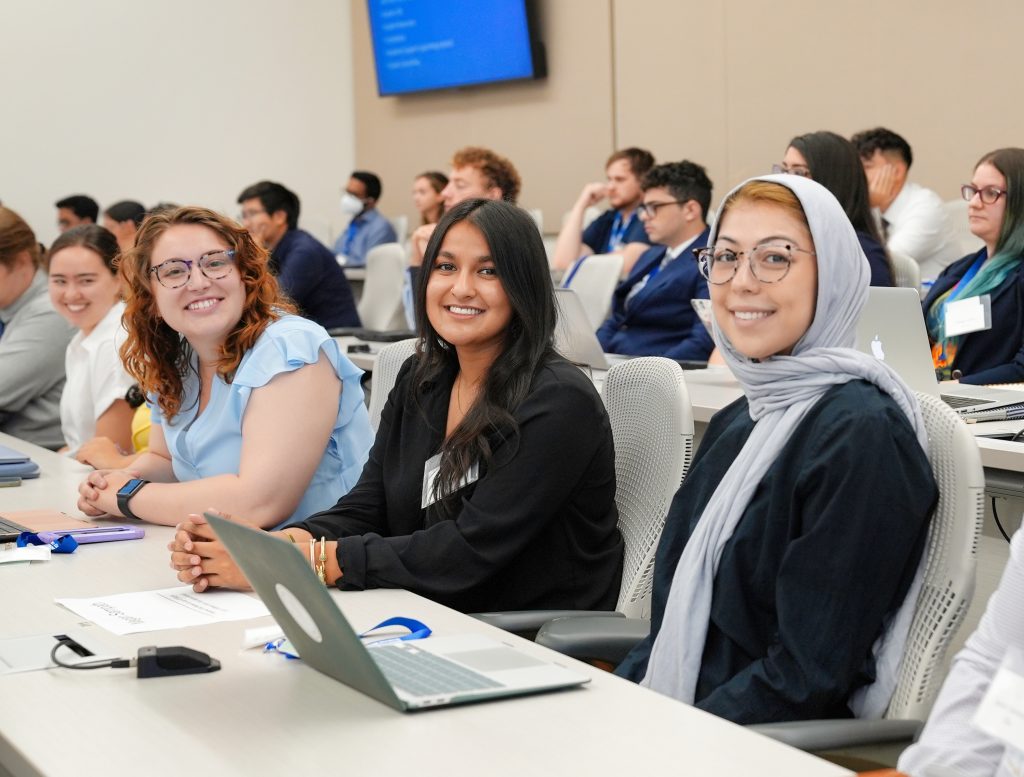
The close-knit community of BCSOM’s Melbourne, FL, campus provided support and encouragement as current student Maya Rademacker transitioned from a caregiving career to studying osteopathic medicine.
From a career in caregiving, current student Maya Rademacker found support and encouragement from aspiring physicians at BCSOM’s Melbourne, FL, campus.
Program Objectives
Our DO program is applications-based and integrates the American Osteopathic Association’s Core Competencies, which align with the School of Osteopathic Medicine’s Programmatic Level Educational Objectives:
Objective I
Integrate knowledge and skills acquired from the biomedical, clinical, social and behavioral sciences to provide patient care in a supervised setting.
Objective II
Demonstrate competence in the skills of osteopathic manipulative treatment and the application of osteopathic philosophy in patient care.
Objective III
Demonstrate professionalism, characterized by honesty, integrity, ethical behavior, empathy and responsibility.
Objective IV
Communicate effectively with patients, families, faculty, peers and other members of the healthcare team.
Objective V
Critically appraise, evaluate and apply scientific evidence to inform patient care and research.
Objective VI
Demonstrate awareness of the roles and interactions of professionals within the healthcare system and identify resources to optimize patient care at the individual and community levels.
Objective VII
Identify the specific healthcare needs of diverse populations and the ways in which the medical community responds.
Graduate Medical Education
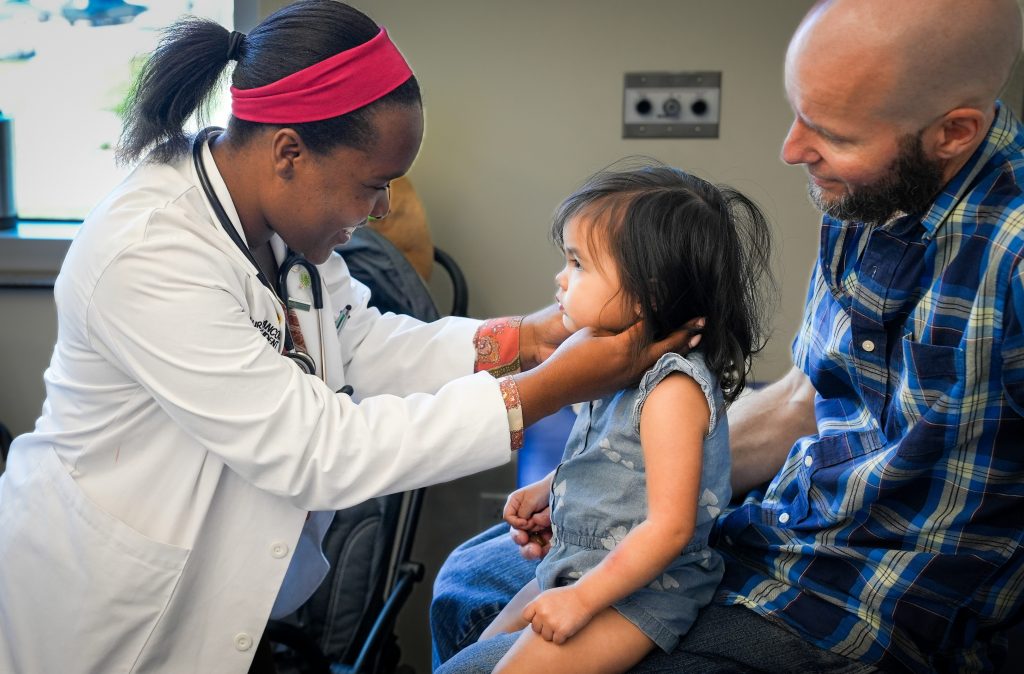
For tomorrow’s physicians, a residency bridges your training today with practice focused on broad population wellness. Discover where you could develop a specialty and strengthen your delivery of essential care.
Take the Next Step
In Burrell College’s School of Osteopathic Medicine, you’ll become the change that breaks down barriers to care. Here’s how you’ll begin.